Air ballooning is not as serene as you might think, and its history is filled with daring and dangerous journeys. Historian Tim Wingard explains how aeronauts James Glaisher and Henry Coxwell risked life and limb to better understand the science of the weather and tell the world about their discoveries.
The death-defying science of the aeronauts
Words by Tim Wingard
- In pictures
1 of 13
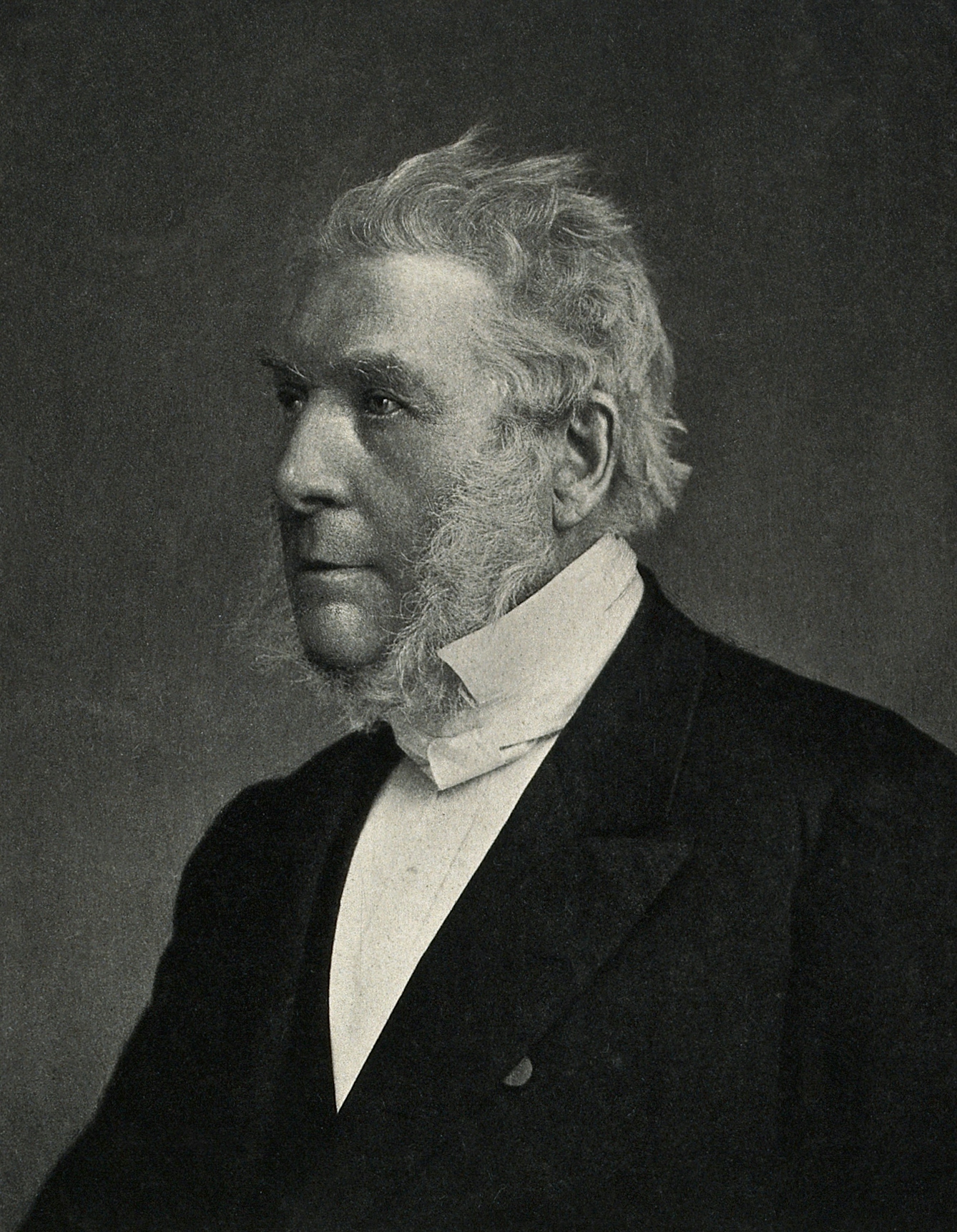
‘The Aeronauts’, tells the story of a death-defying hot-air balloon journey made by the meteorologist James Glaisher (1809–1903), and the aeronaut Henry Coxwell (1819–1900). In the film, Glaisher is played by Eddie Redmayne but Coxwell has been replaced by fictional character Amelia Wren, played by Felicity Jones, who is a composite of several real-life early female aviators. Not all of the drama comes from invention though: ballooning in these early days involved significant real-life jeopardy.
2 of 13
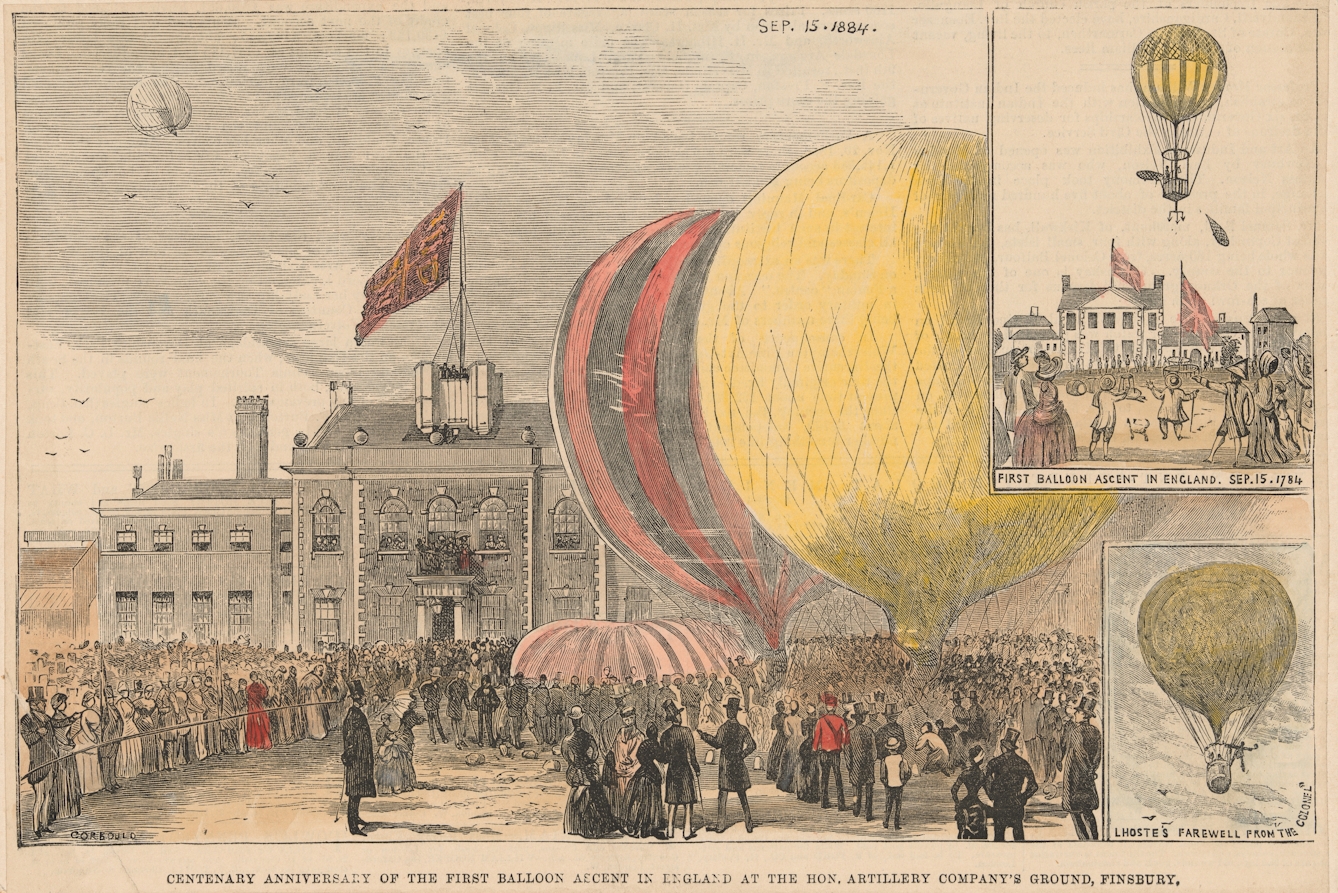
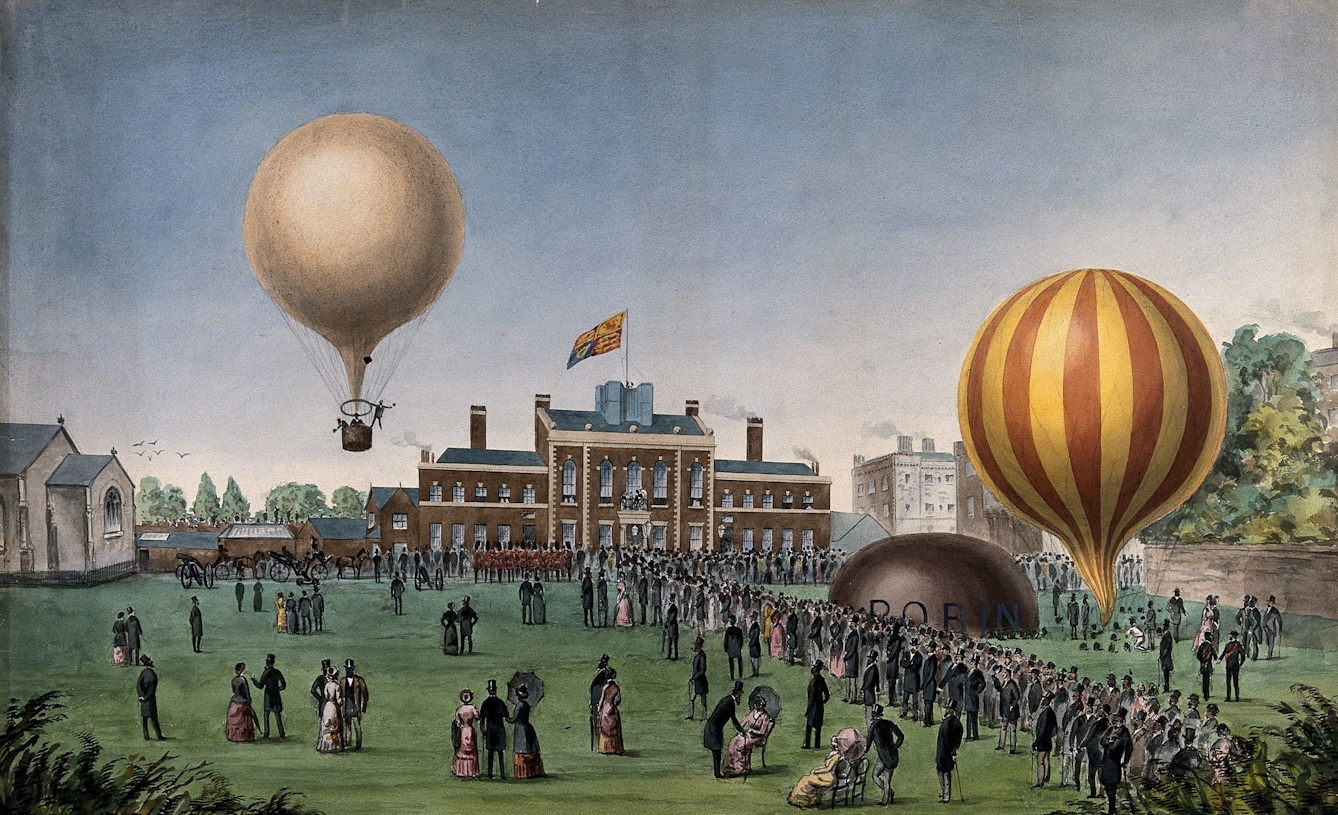
Hot-air balloons captured the public imagination throughout the 19th century. Huge crowds attended balloon ascents, which were organised for major festivals and celebrations. Before working with Glaisher, Henry Coxwell piloted a balloon for a gala at York in June 1859. His balloon’s arrival was greeted by cheering crowds.
3 of 13
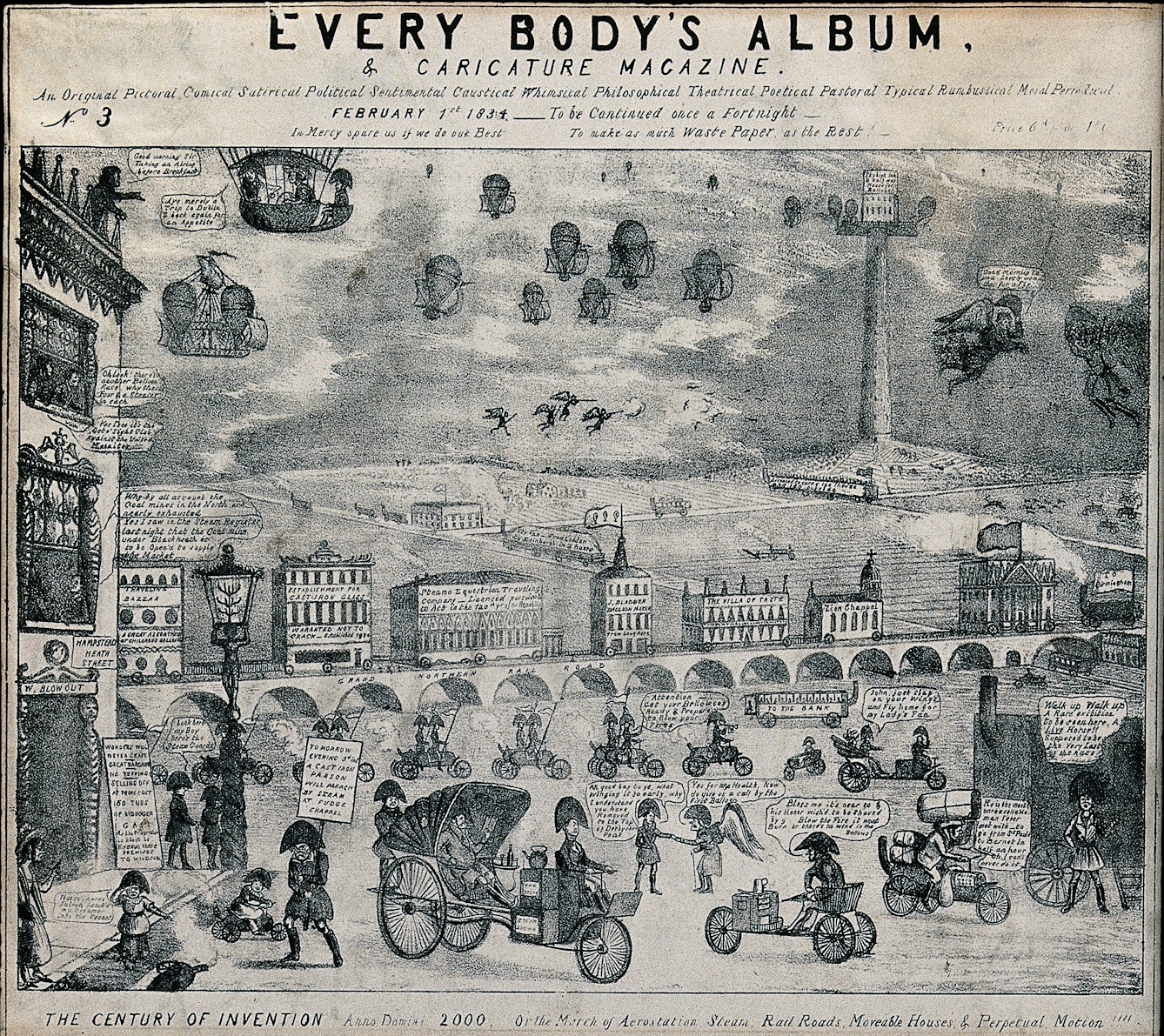
Balloons were symbols of technological innovation and societal progress. Satirical visions of the future portrayed personal hot-air balloons transporting urban residents just like, years later, the flying cars of cyberpunk cities in films such as ‘Blade Runner’ (1982).
4 of 13
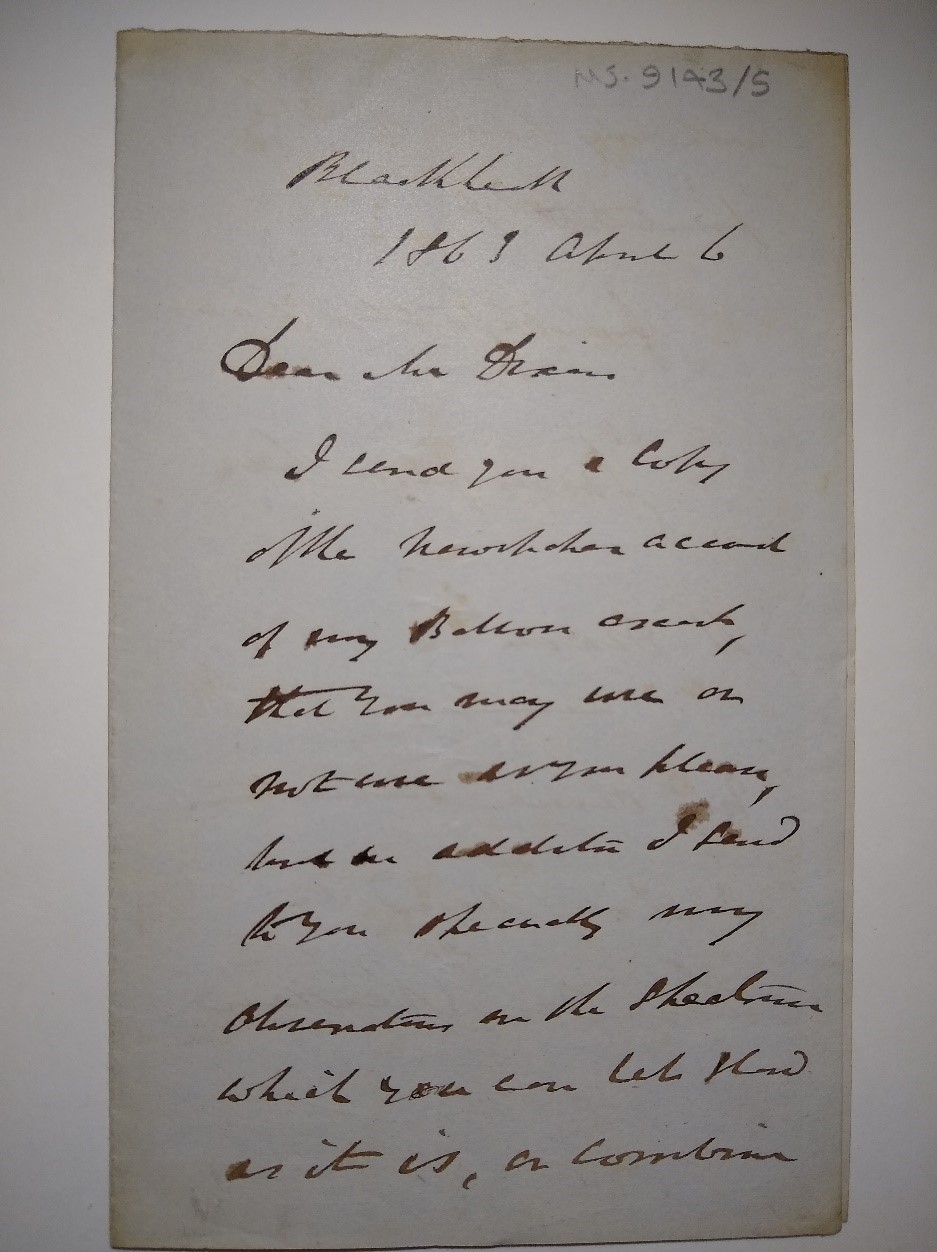
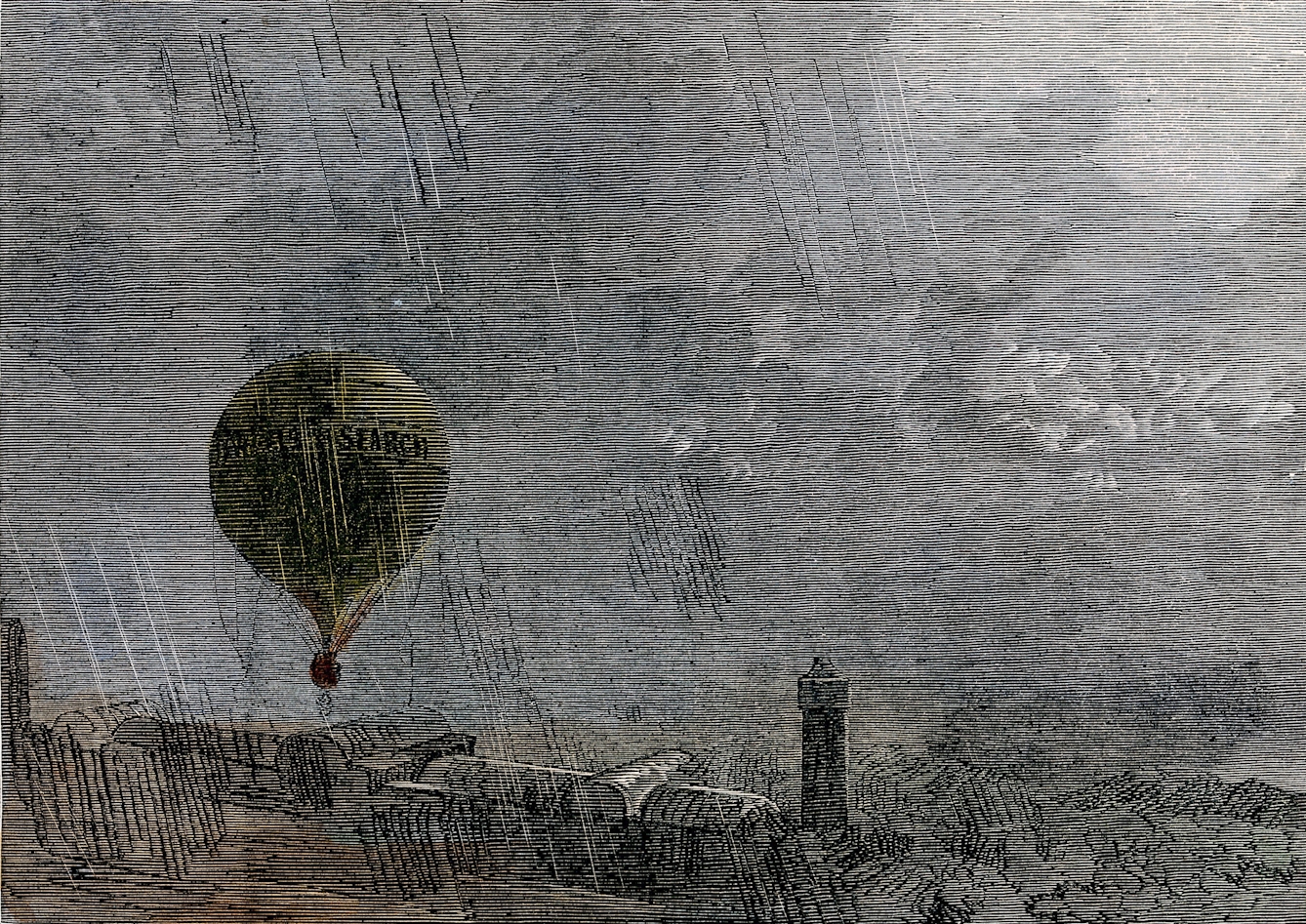
Glaisher appreciated the widespread thirst for all things ballooning and used it to share his scientific research with the public. He had a canny ability to control the media narrative about his work: a letter from April 1863 preserved in the Wellcome Library shows how he promptly sent his ready-made copy to editors after a trip so that he could tell the tale of his work in his own words. One particularly perilous journey particularly taxed his ability to provide a speedy write-up though...
5 of 13
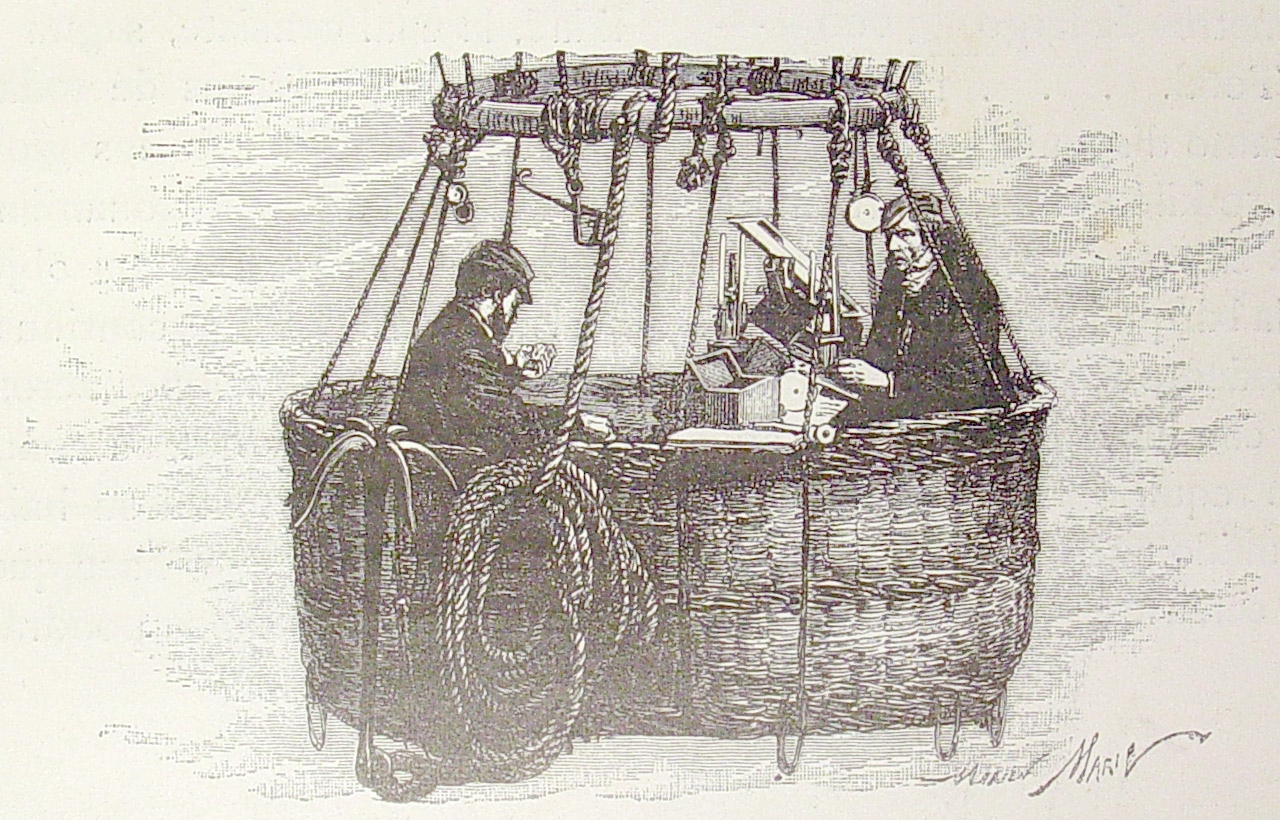
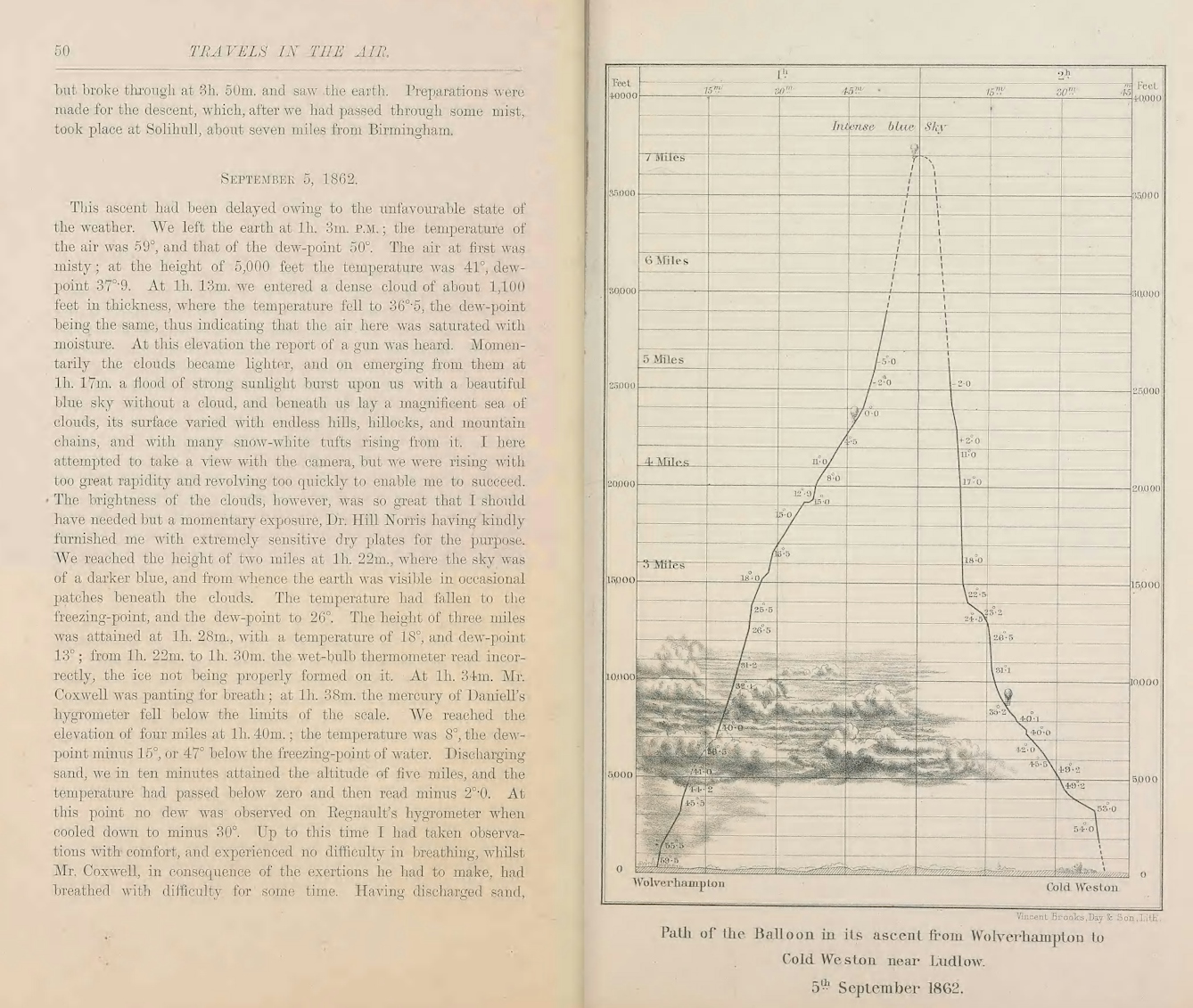
Glaisher and Coxwell made their fateful ascent from Wolverhampton on 5 September 1862, lifting off from the ground at 1pm in Coxwell’s balloon ‘Mammoth’. Glaisher’s main scientific ambitions were to measure differences in temperature at varying elevations, and to record other information about the atmospheric conditions at these heights. However, disaster struck.
6 of 13
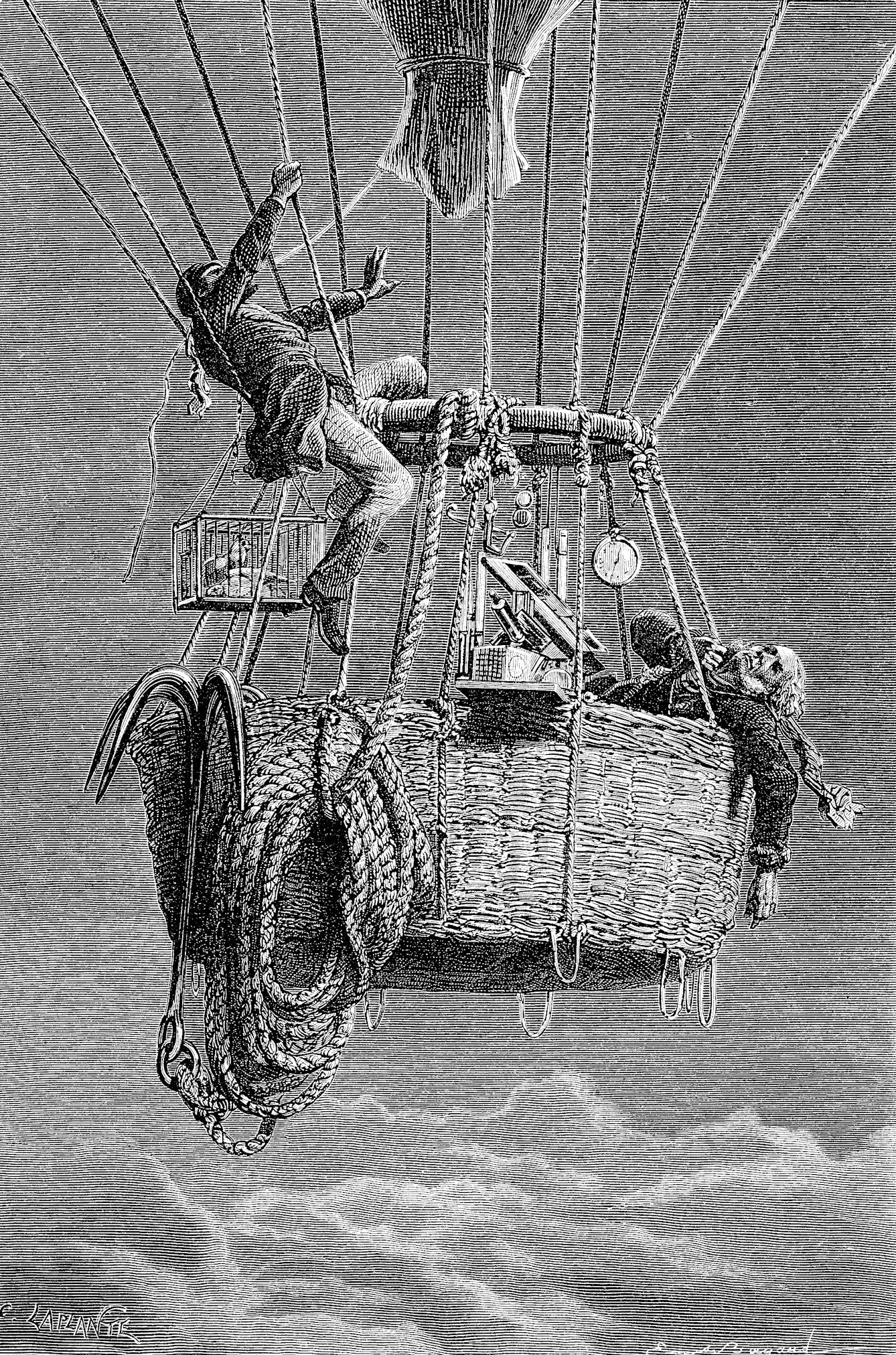
At a height of around 29,000 ft (8.8 km), the two men began to experience difficulty breathing due to the lack of oxygen. Glaisher passed out and Coxwell was beginning to lose the sensation in his arms from frostbite.
7 of 13
Ultimately, Coxwell was able to rescue himself and his partner by pulling on a valve-cord with his teeth, causing the balloon to sink downwards to safety.
8 of 13
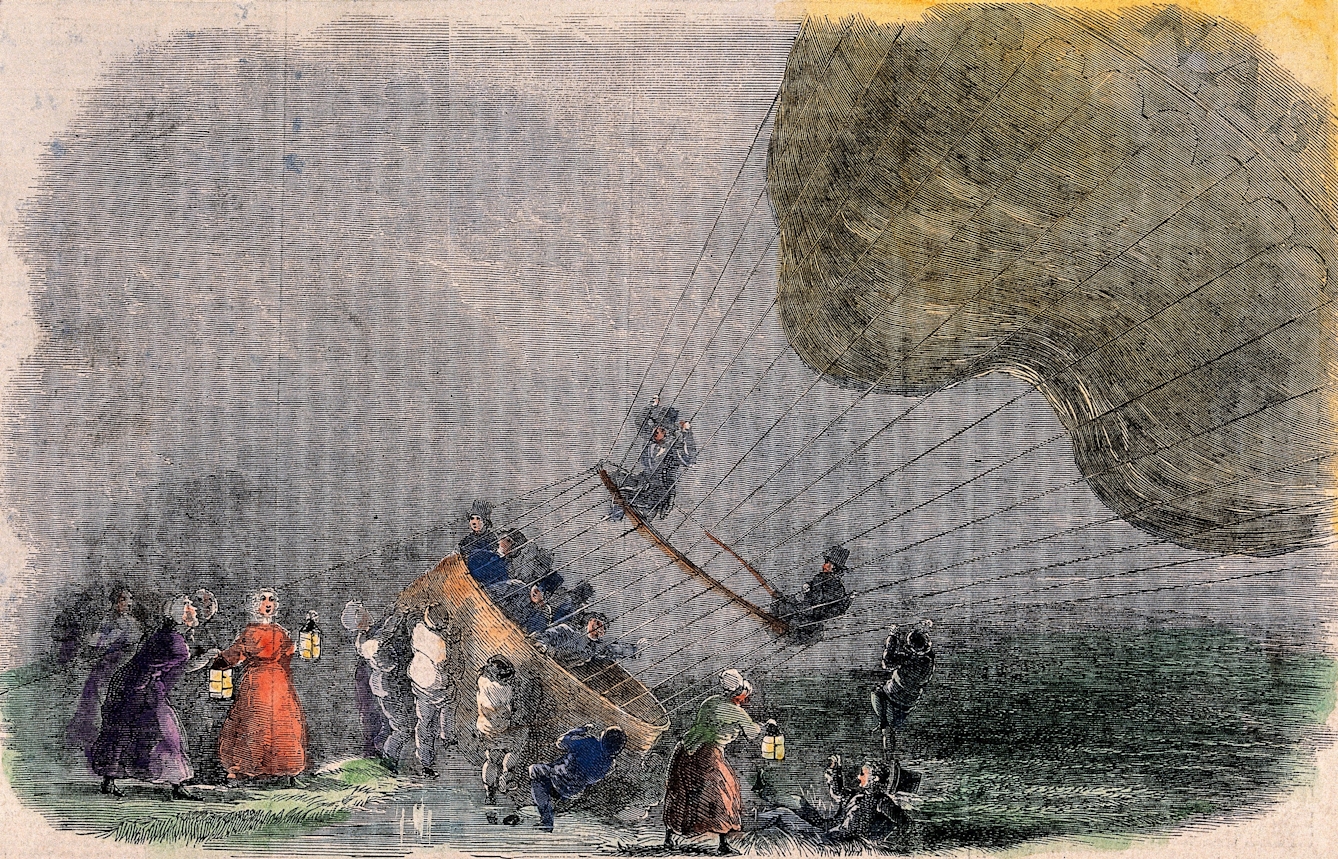
Coxwell recorded in his autobiography that after they landed, the pair faced an eight-mile walk to the nearest train station and then, to add insult to injury, there was no fish for dinner at the inn where they waited for the next train.
9 of 13
In spite of these setbacks, which must have surely infuriated the eager Glaisher, he quickly drafted an account “before and during breakfast” of their balloon ascent and the scientific measurements taken on the journey and sent it off to the newspapers. Glaisher’s initial account was published in the Times on 8 September 1862, with a fuller scientific report published on 10 September.
10 of 13
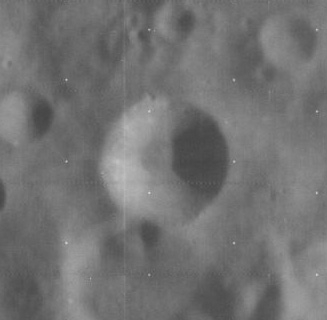
Glaisher and Coxwell were estimated to have risen to up to 37,000 ft (11,300 m) – the highest altitude reached by any human being up to that point. Glaisher later reached even higher heights, at least symbolically: he had a crater on the moon named after him.
11 of 13
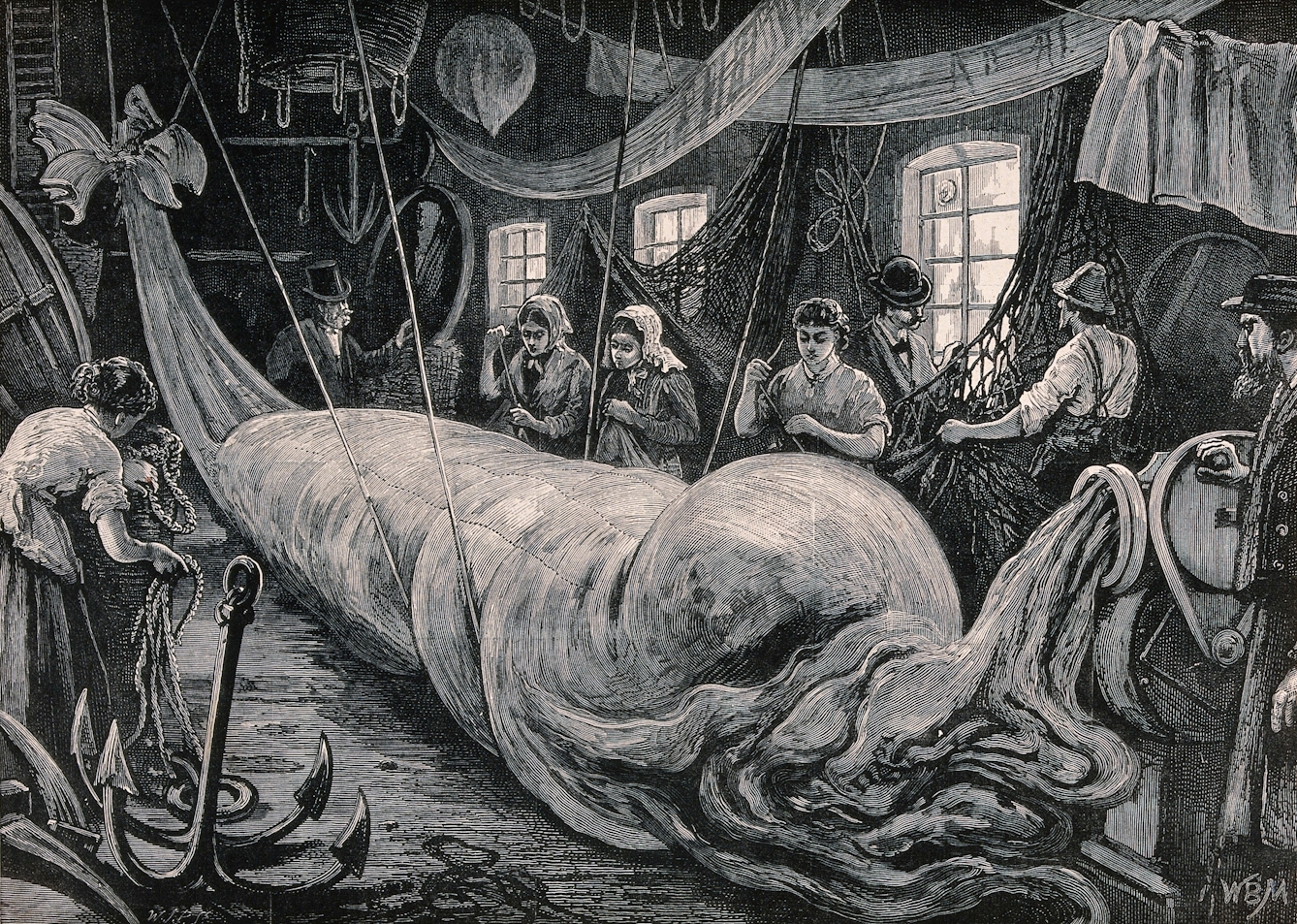
Coxwell made hundreds of ascents before he retired from aeronautics in 1885. He continued to argue for the importance of ballooning, in particular as a tool of war, and he ran a balloon factory in Seaford, Sussex.
12 of 13
Glaisher’s accounts of his and Coxwell’s ballooning exploits, published in popular periodicals and works such as his autobiographical book ‘Travels in the Air’ (1871), emphasised that ballooning was a tool for conducting serious meteorological experiments. They also detailed the perils involved in this new scientific endeavour.
13 of 13
So the next time you gaze upon a balloon drifting serenely across the sky, remember the death-defying feats of Glaisher, Coxwell and other early aeronauts who sought to better understand the weather by soaring up among the clouds. And then wrote about their ascents. All before breakfast.
About the author

.jpg)


Tim Wingard
Tim Wingard is a PhD Candidate at the Centre for Medieval Studies, University of York. His research explores late medieval European literary and scientific representations of animals, nature and sexuality.