Yellow is the colour of sunshine and cheer, but in the context of health it can have more sinister overtones. It's the colour of disinfectant, but also of fever and cancer.
Copyrighted work available under Creative Commons Attribution only licence CC BY 4.0.
1 of 7
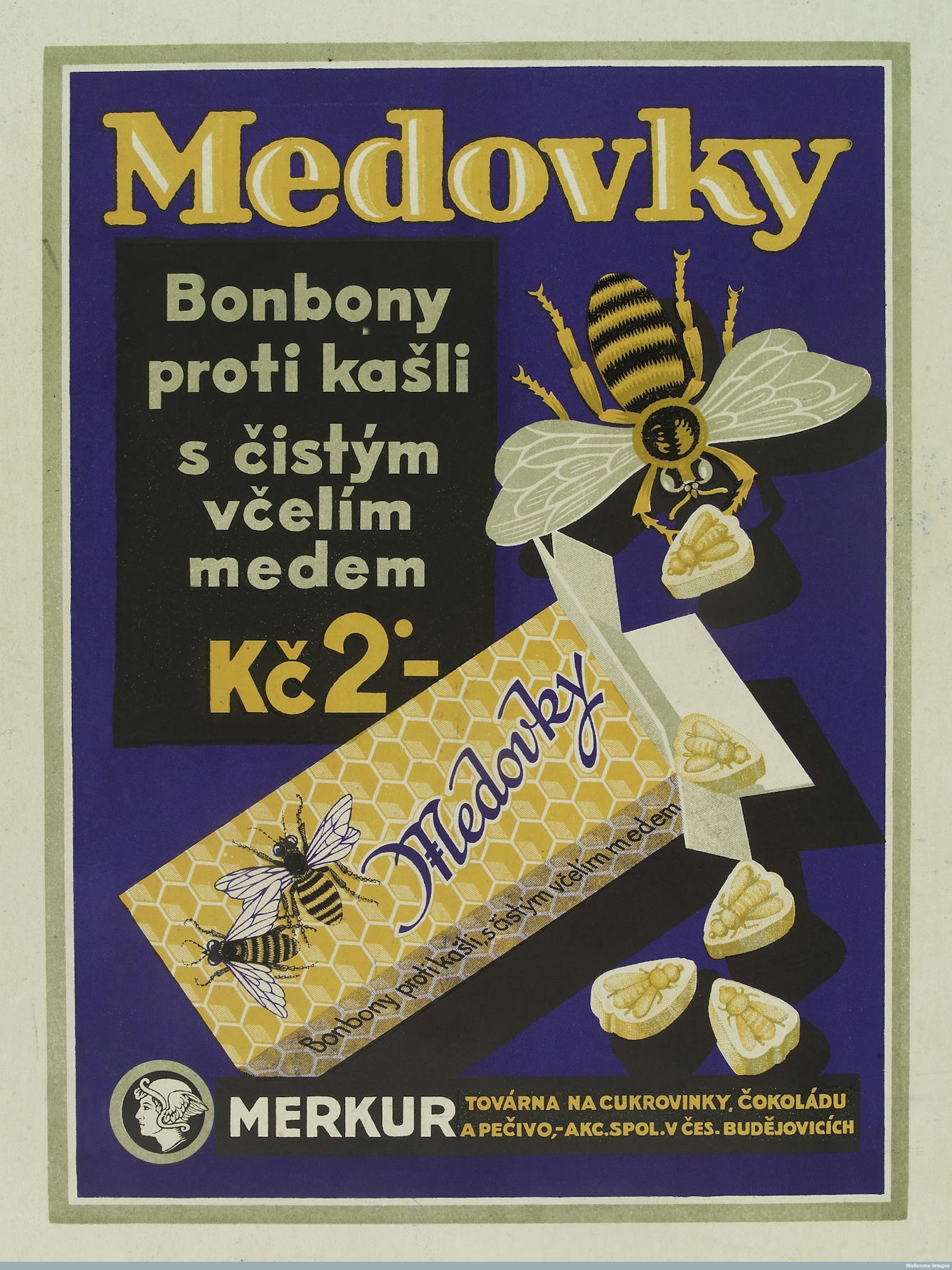
Yellow sweetness here comes in the form of honey. This early twentieth-century Czech advertisement for honey-flavoured cough lozenges shows a bee herself delivering the distinctive bee-shaped sweets.
Copyrighted work available under Creative Commons Attribution only licence CC BY 4.0.
2 of 7
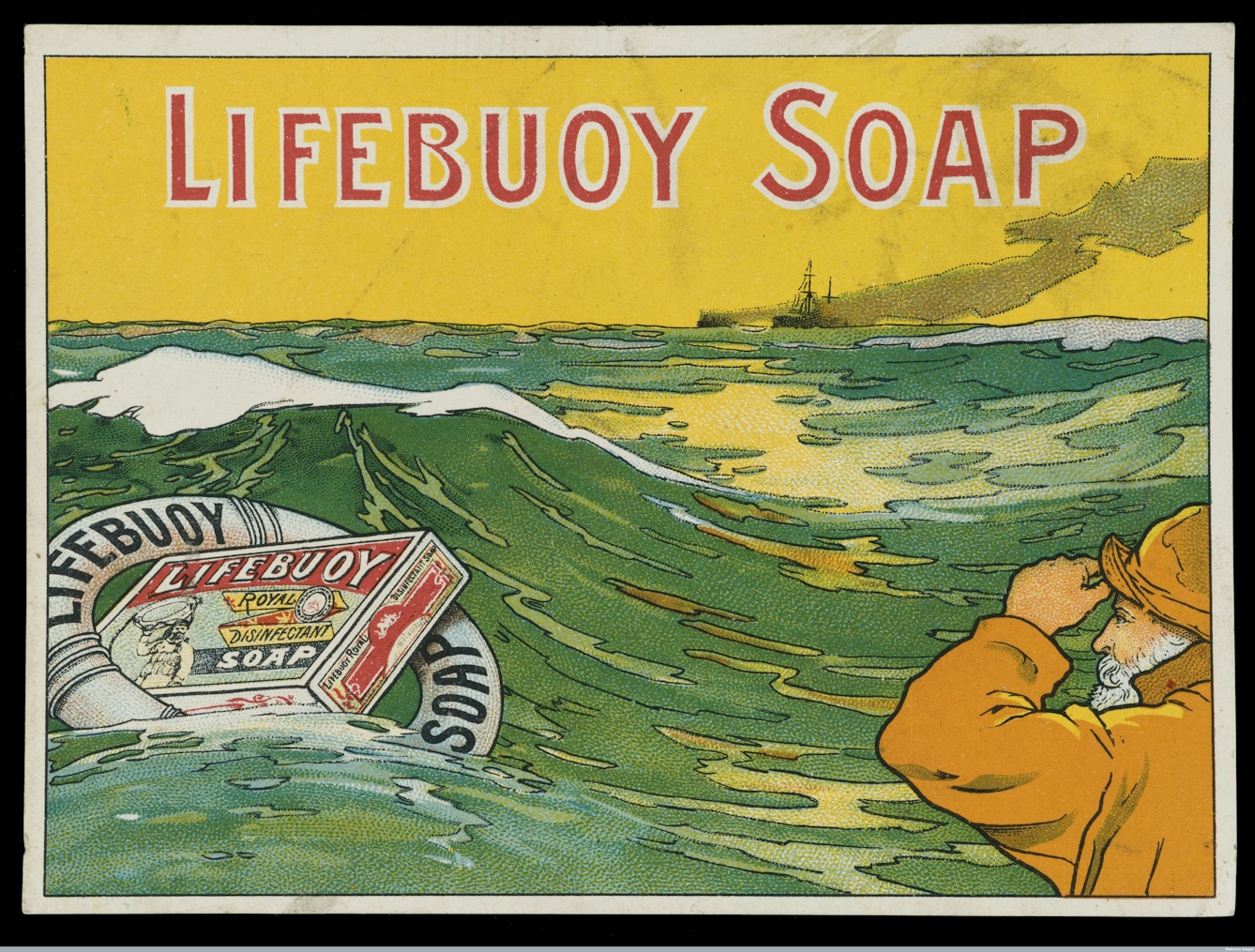
Today we like to wash whiter than white, but yellow often appears as the colour of clean in advertisements for disinfectant soap. In this case, Lifebuoy soap contained carbolic acid, derived from coal tar, which gave the bars their distinctive yellow-orange colour.

Copyrighted work available under Creative Commons Attribution only licence CC BY 4.0.
3 of 7
This AIDS poster from the 1990s is typical of the period: a serious message about preventing infection by using condoms is presented in a humorous and jokey fashion. Here the pun on 'rubbers' is livened up by the comical bright yellow colour of a raincoat and wellies.
Copyrighted work available under Creative Commons Attribution only licence CC BY 4.0.
4 of 7
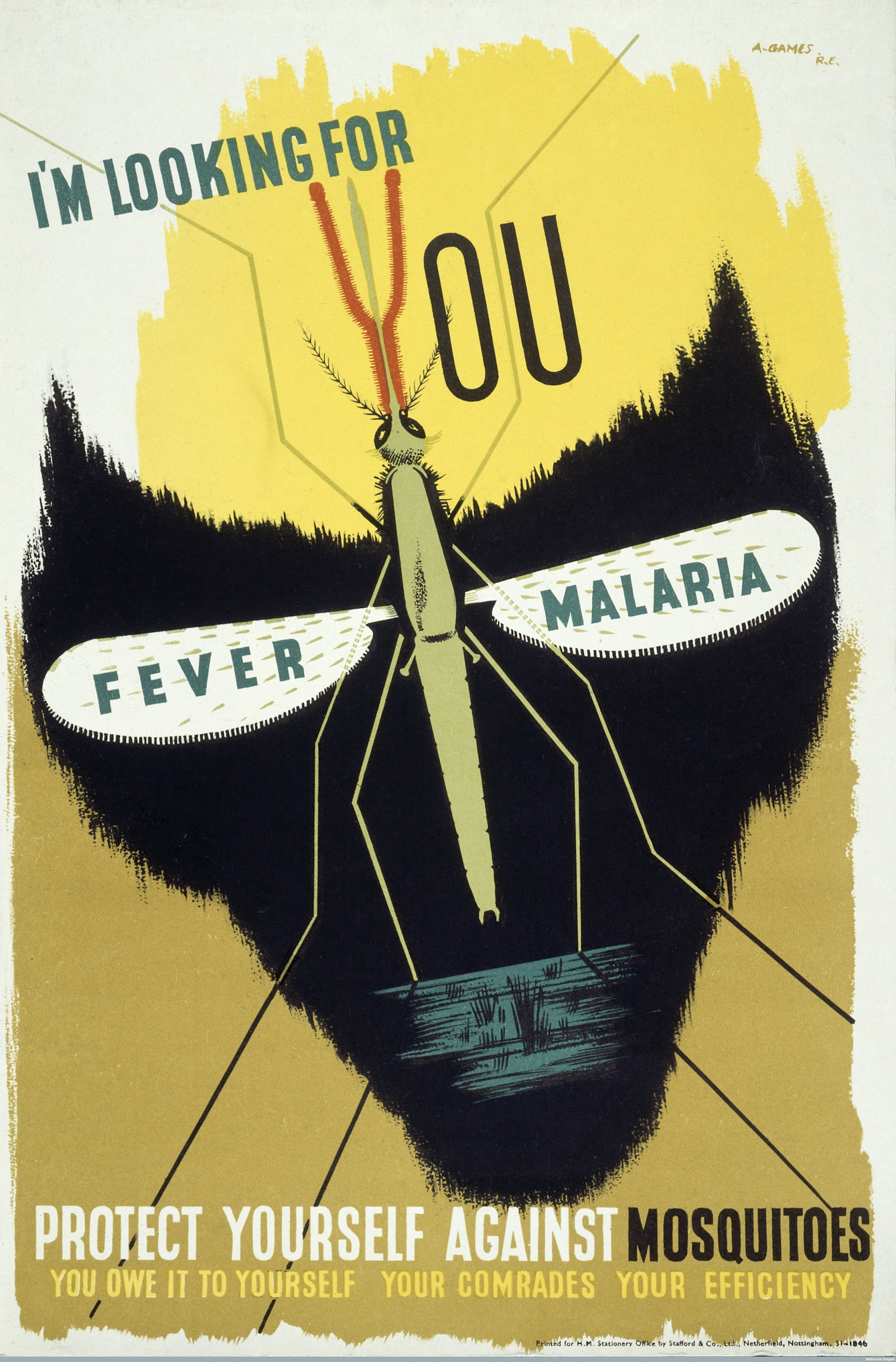
Malaria can affect the functioning of a patient's liver, causing jaundice and giving the skin a yellowish colour. This may be why yellow features so often in health messages about malaria, such as this 1940s wartime poster aimed at soldiers.
Copyrighted work available under Creative Commons Attribution only licence CC BY 4.0.
5 of 7
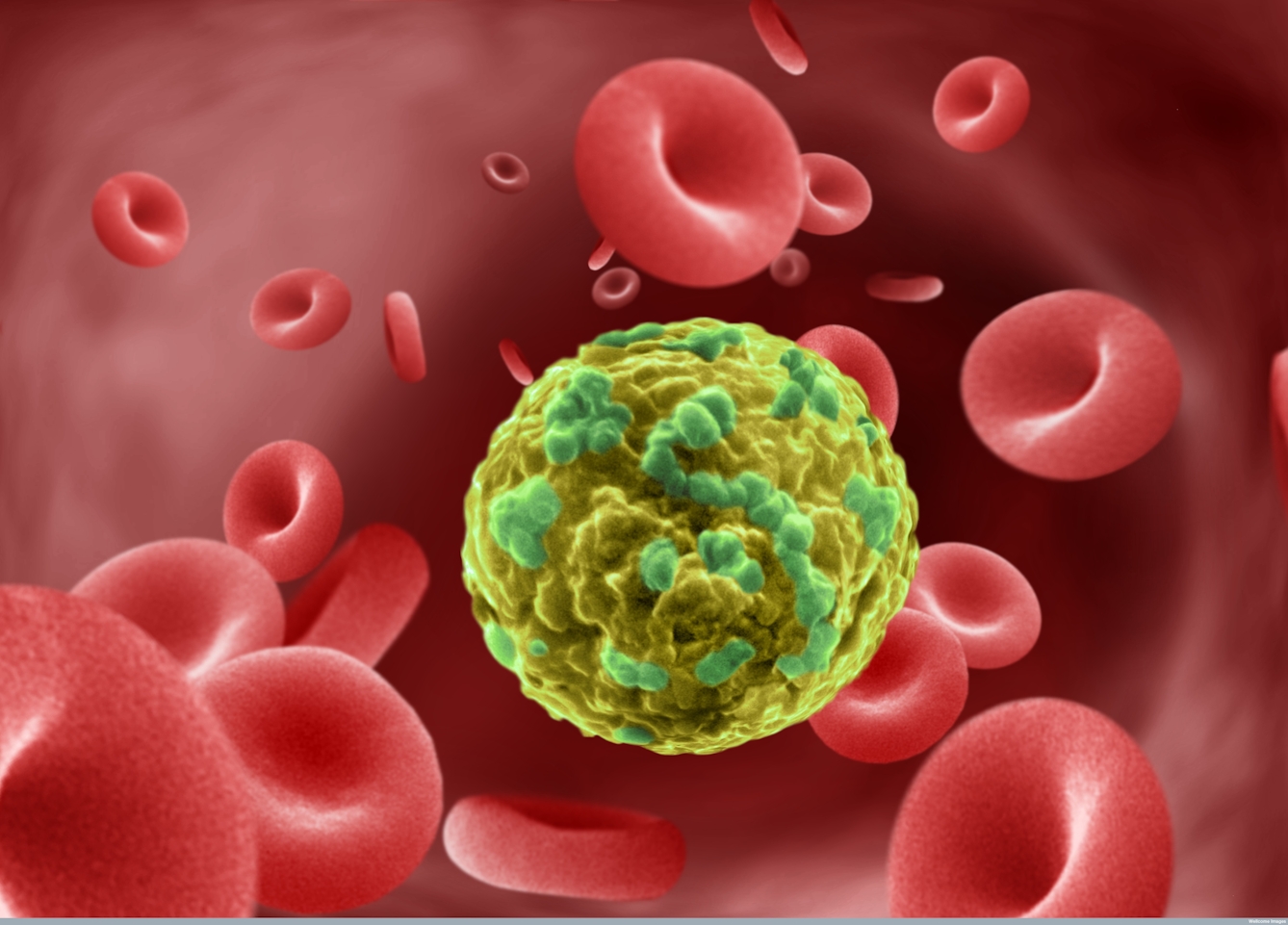
Cancer, by contrast, has no colour: images of cancer at work in our body often come from scanning electron micrographs, which have their colour added afterwards. This digital image by Annie Kavanagh leaves us in no doubt about the malignancy of cancer cells, presented in an eerie yellowy-green against a background of healthy red blood cells.
Copyrighted work available under Creative Commons Attribution only licence CC BY 4.0.
6 of 7
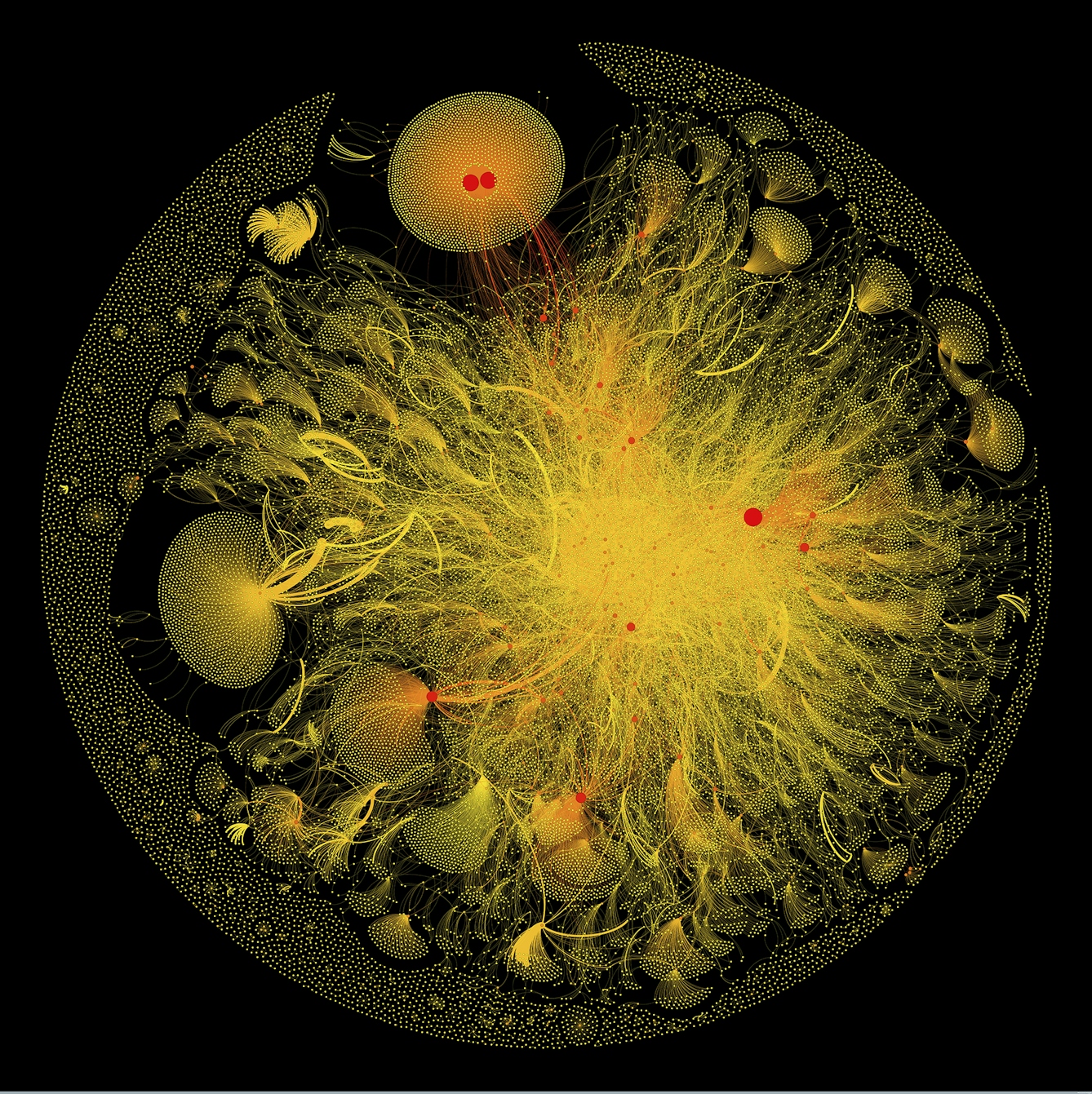
This yellow digital image is also of cancer - or rather of our tweets about cancer. Over an 8 week period, 92,915 individual Tweets containing #breastcancer were collected and visualised by researchers at the Royal College of Surgeons in Ireland. The 'double yolk' structure at the top of image indicates common mentions between two accounts.
Copyrighted work available under Creative Commons Attribution only licence CC BY 4.0.
7 of 7
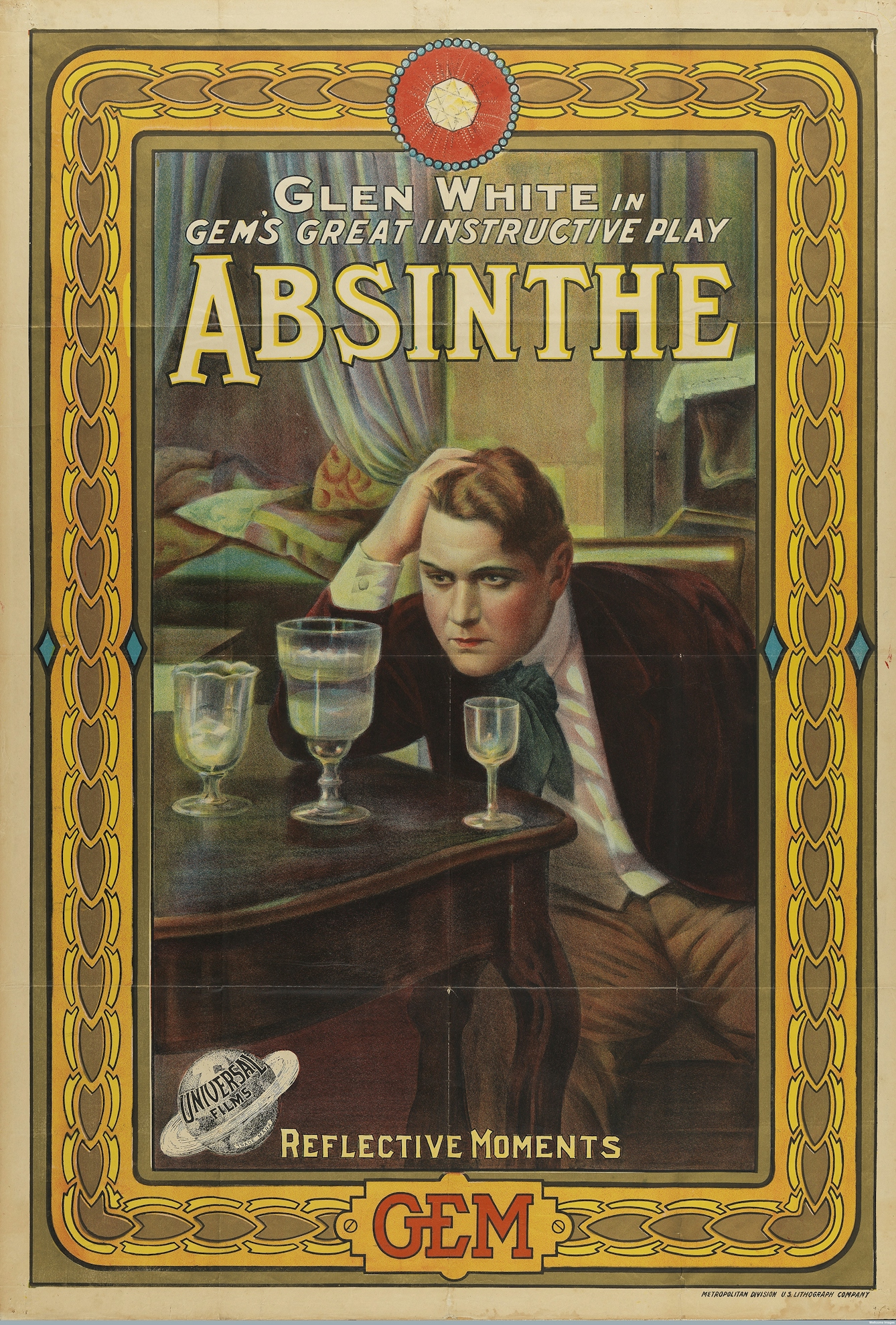
Absinthe is commonly known as "the green fairy", but the yellow frame to this poster reflects the desperate melancholy in the eyes of the absinthe drinker. This poster is for a silent short from 1913 that explores the perils of the cult spirit of artists and writers.
About the contributors

Danny Birchall
Danny is Wellcome Collection's Digital Content Manager.