These images show how it’s been trying to do exactly that for nearly 200 years.
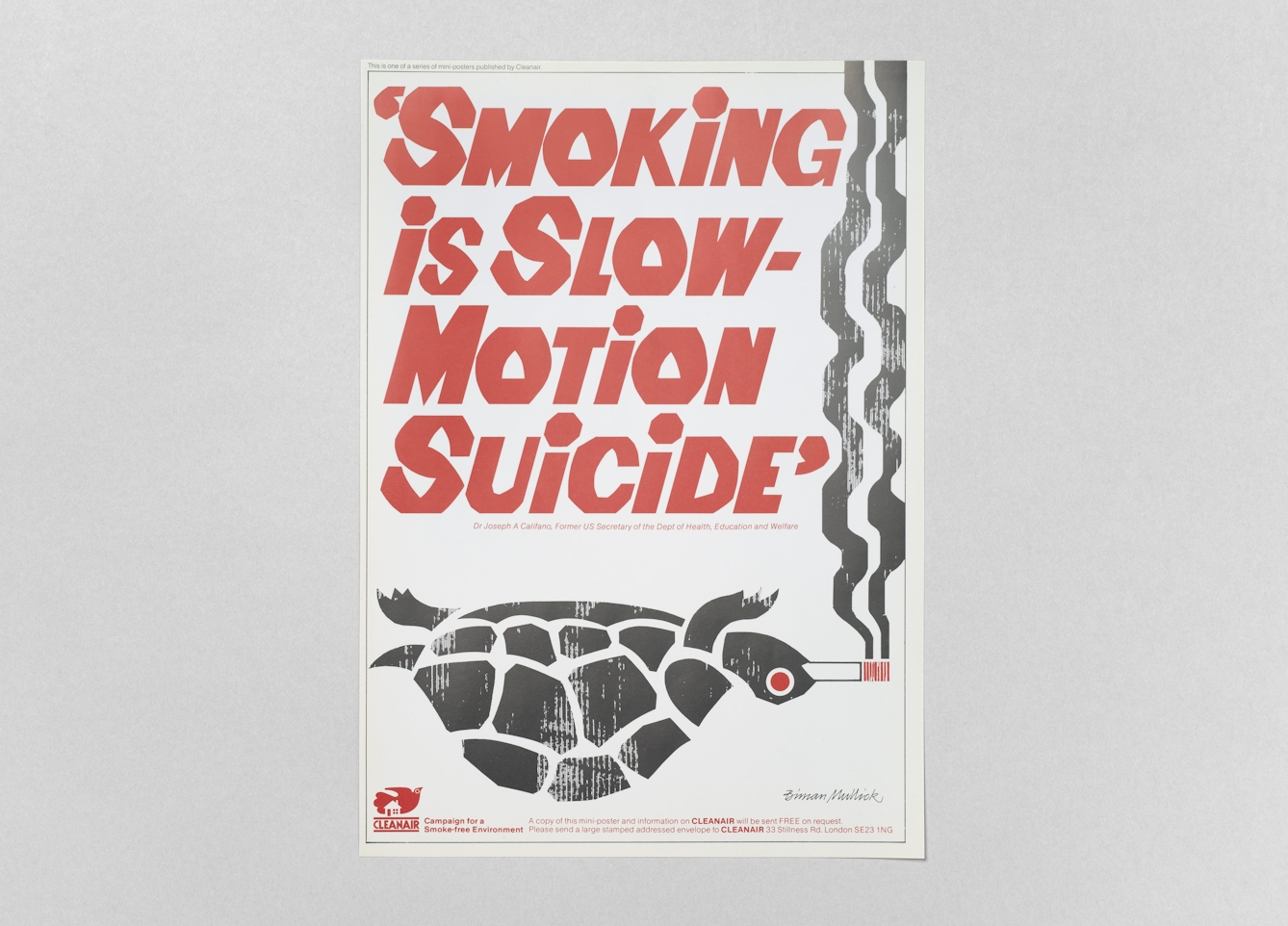
Smoking is Slow Motion Suicide poster, 1972, Biman Mullick, Cleanair.
1 of 10
In 1972, Indian designer and educator Biman Mullick founded the anti-smoking organisation Cleanair, and has been designing materials for this campaign ever since.
2 of 10
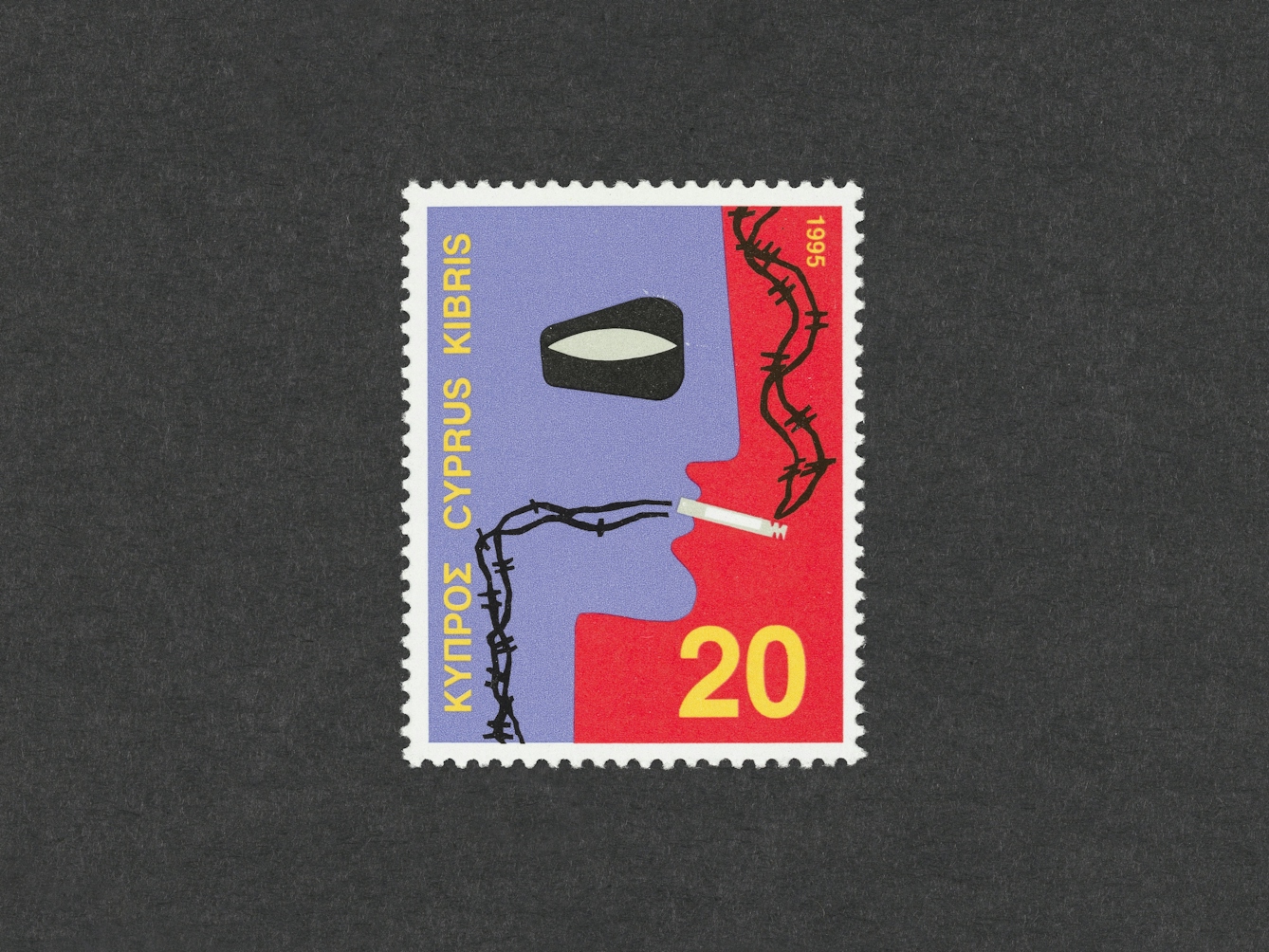
Relatively cheap to produce and widely distributed, stamps such as this one from Cyprus (1995) have often been used to raise awareness of public health concerns.
3 of 10
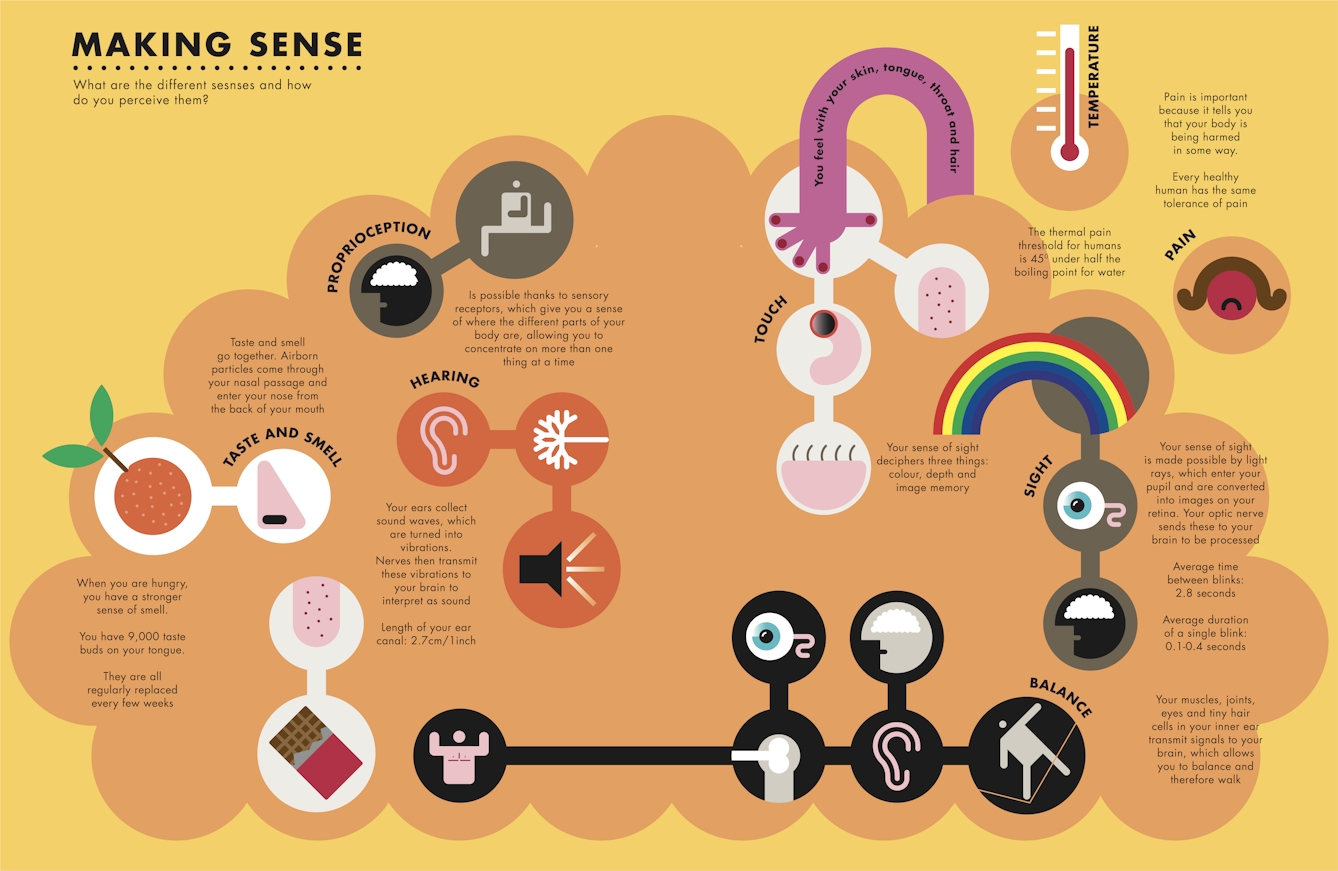
Peter Grundy is considered to be a pioneer of infographics. ‘Infographics: Human Body’ (2014) is his first children’s book.

4 of 10
Designed by Gillian Crampton Smith and Sarah Curtis and published by the Family Planning Association, these comics were a response to increases in teenage pregnancy in the 1970s.

5 of 10
Illustrator Dick Bruna was best known for creating Miffy, however he also donated his design services to charities such as the Haemophilia Society and the Red Cross.

6 of 10
Aspirin was first trademarked in 1899, having been discovered by a Bayer scientist. The tablets were stamped with the circular Bayer logo from 1910.
7 of 10
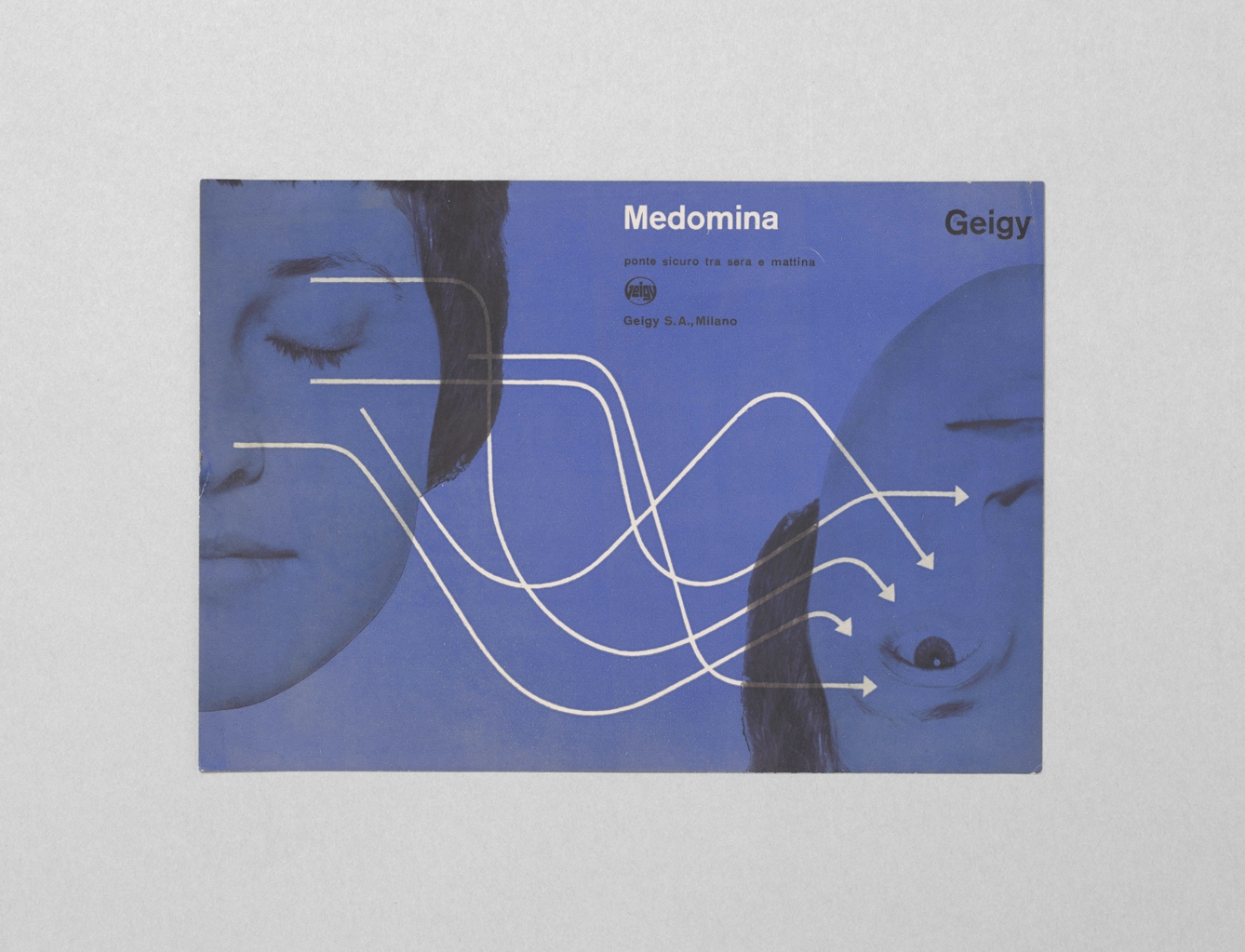
Swiss pharmaceutical company J R Geigy AG was renowned for its ground-breaking graphic design, which made Geigy products such as this sedative seem modern and memorable, rather than technical or scientific.
8 of 10
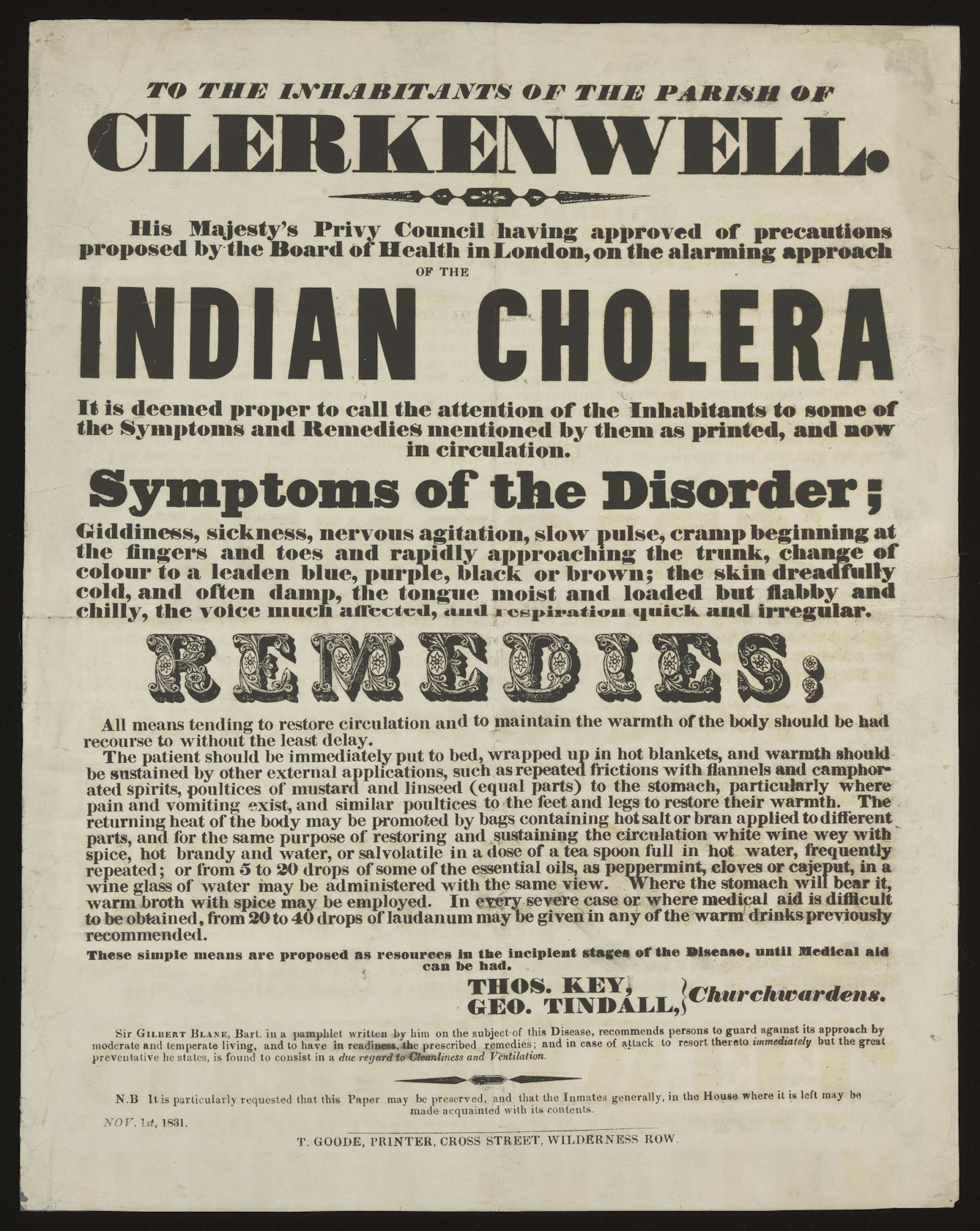
Known as ‘Indian cholera’ after the 1817 outbreak in Bengal, the first epidemic arrived in London in 1831. Broadsheets such as this warned the public.
9 of 10
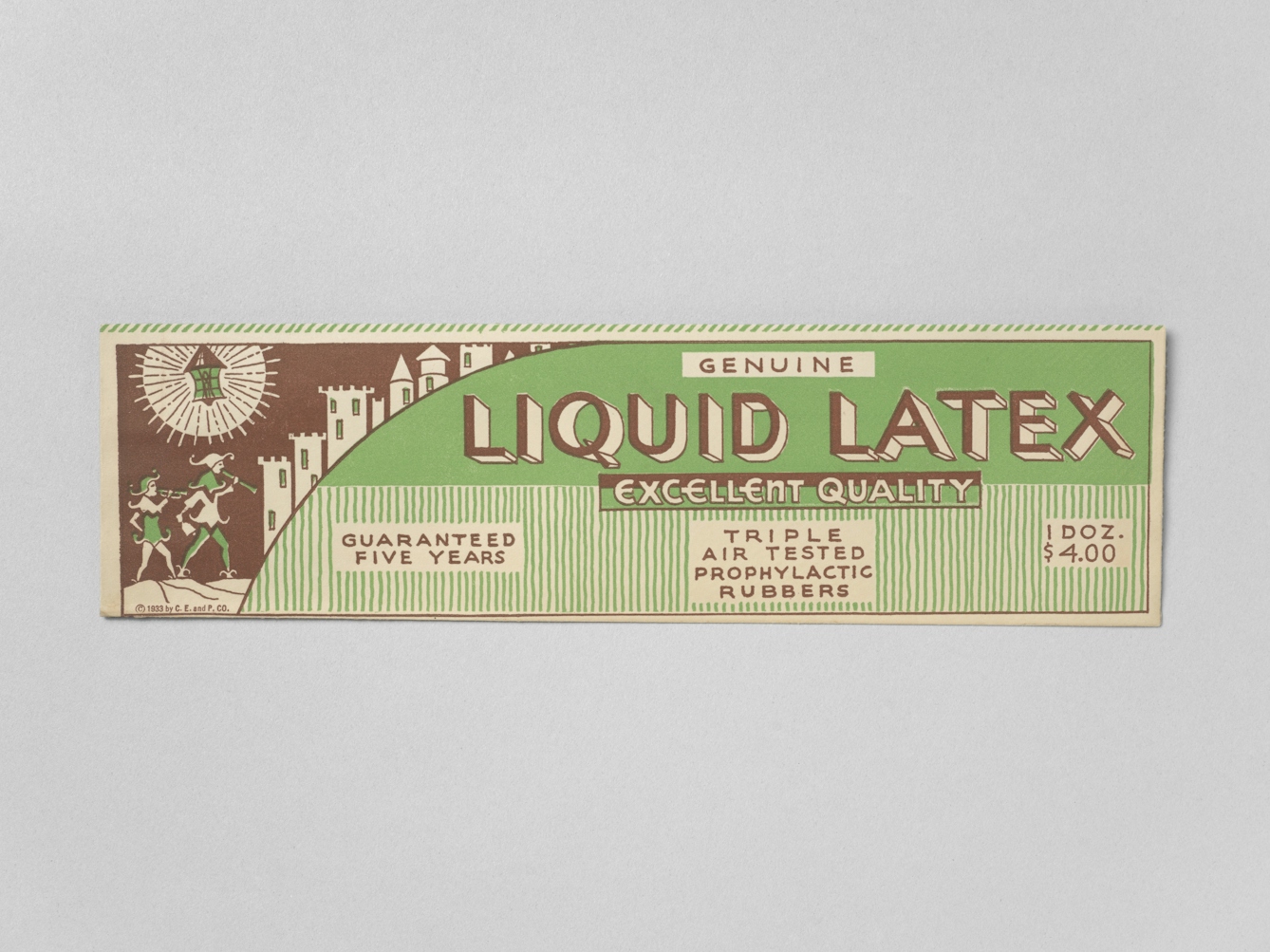
Condom packaging, such as this for Liquid Latex (1933) is a barometer of changing attitudes towards sex.

10 of 10
The fading logo of Alzheimer Nederland in this 2012 poster reflects the vanishing world of people with dementia.
About the contributors

Helen Babbs
Helen is a Digital Editor for Wellcome Collection.